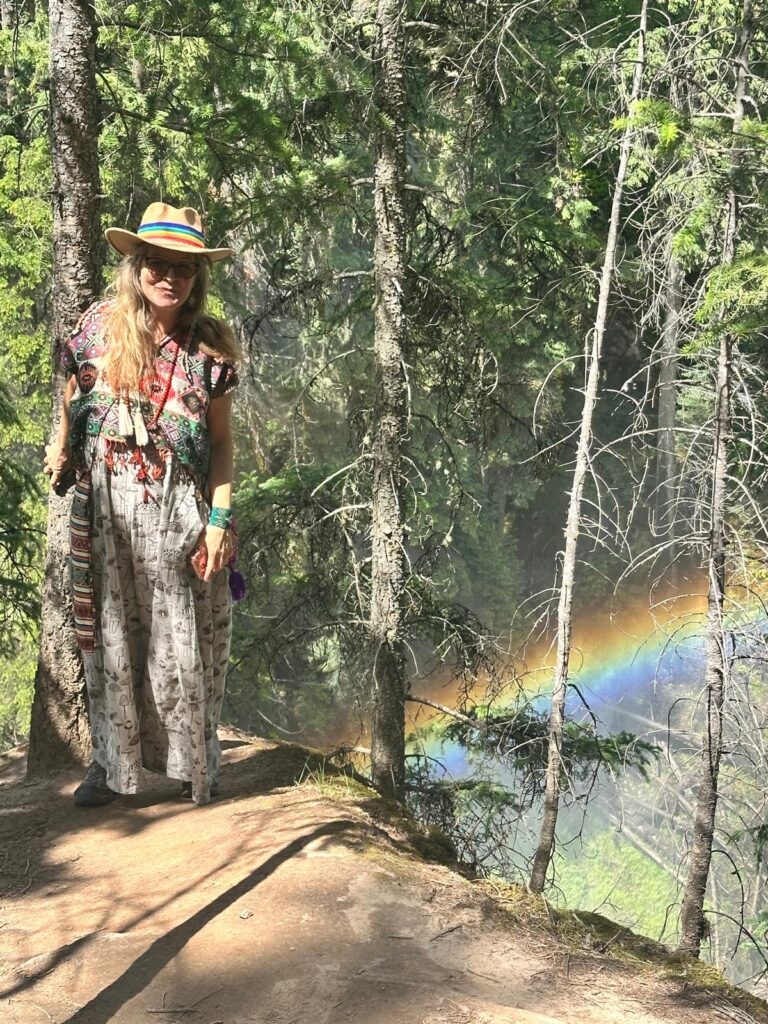
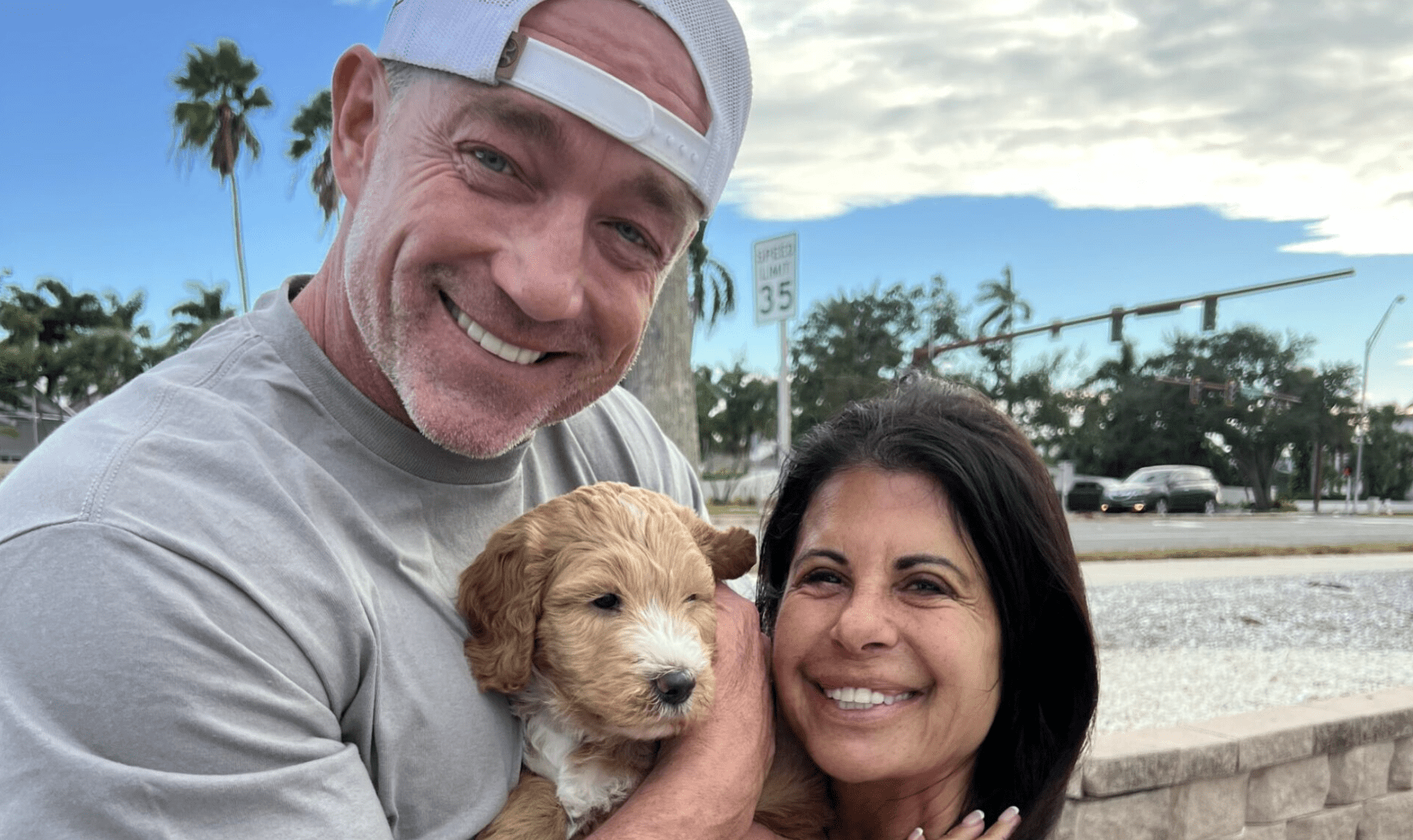
“This is the life I am working so hard to return to — a home, a love, and a future worth healing for.”

DONATE TO PATRICK’S IBOGAINE FUND
Living with Complex PTSD, dissociation, depression, and anxiety has made that return incredibly difficult at times. My struggle with addiction developed as a coping mechanism for unresolved trauma, and despite years of sincere effort through traditional treatment paths, these underlying neurological and nervous system patterns remain deeply challenging.
My name is Patrick J. McNally, and I am writing with humility and hope to request consideration for financial assistance to participate in an ibogaine-assisted therapeutic treatment program with full preparation and integration support.
For much of my life I have been searching for stability within my own mind and nervous system. After years of trauma, traumatic brain injuries, and long-standing patterns of Complex Post-Traumatic StressDisorder, dissociation, depression, and anxiety, I have reached a place where I am deeply committed to healing—but financially unable to access the treatment that I believe may finally help address the neurological and psychological roots of my struggles. Over the past several years I have been working diligently to rebuild my life while navigating the profound impact these conditions have had on my nervous system and my ability to regulate stress, emotions, and relationships. Through years of therapy and recovery work, I have come to understand that my nervous system has often operated in a constant state of survival—cycling through patterns commonly described as fight, flight, freeze, or fawn. Long before alcohol ever entered my life, these responses were already shapinghow I reacted to stress and adversity.Many of these patterns originate from early life trauma that I carried silently for many years. Those experiences shaped deeply rooted beliefs about my worth and safety in the world. Much of my life was spent trying to overachieve or appear perfect in order to prevent abandonment or harm, while privately struggling with shame and the belief that I was somehow fundamentally broken.Over time these internal struggles were compounded by traumatic brain injuries and years of unresolved emotional pain. The result has been cycles of depression, anxiety, dissociation, andself-sabotage, even during times when my life appeared to be improving externally.There was a period when these struggles became so severe that I ultimately found myself withoutstable housing before entering the inpatient treatment program I am currently completing. While that was an incredibly painful chapter of my life, it also became a turning point that pushed me to seek deeper healing and support.Today I am actively engaged in structured inpatient treatment and working to gain as much insight and preparation as possible so that I can responsibly participate in the preparation, treatment, and post-integration process associated with ibogaine therapy. I just completed this program successfully at the end of March.Since 2022 I have made a sincere and consistent effort to pursue healing through traditional channels, including inpatient treatment, outpatient programs, recovery communities, therapy, and medication when appropriate. These experiences have helped me develop accountability, discipline, and tools for maintaining sobriety. However, through this process I have come to understand that addiction itself has not been the root issue for me. Rather, it has often been a coping mechanism connected to unresolved trauma and deeply conditioned neurological patterns. Despite my continued effort and commitment to recovery, the underlying symptoms of trauma, anxiety, depression, and dissociation have remained persistent.Through extensive research and education, I have spent considerable time studying ibogaine-assisted therapy and its emerging role in trauma recovery, addiction interruption, and neurological reset. What resonates most strongly with me is its potential to interrupt deeply entrenched neural patterns while allowing individuals to process trauma at both neurological and psychological levels.I approach this treatment with the understanding that ibogaine is not a cure, but rather a powerful therapeutic catalyst that requires serious preparation, medical oversight, and long-term integration work. At this point in my journey, this is not simply a matter of wanting a different path—it is a matter of needing an opportunity to address the neurological and nervous system patterns that have proven resistant to traditional treatment methods.
My fiancée Lisa and I share a deep hope that our healing journey can eventually be transformed into service for others. Throughout my life I have worked as a trainer, coach, and mentor, and my greatest desire is to use my experiences to help others who may feel trapped in cycles of trauma, addiction, or hopelessness.I strongly believe that access to healing should never be limited by income, opportunity, or background.If I am able to move forward with this treatment and experience meaningful healing, my hope is to use that transformation to support others—especially those who may not believe recovery is possible for them. Healing one person can create a ripple effect that reaches far beyond that individual life. When one person heals, families change, communities change, and new possibilities open for others who may still be struggling.If awarded this scholarship, I commit to fully engaging in the preparation and integration process, while continuing my recovery practices, and using the healing gained from this opportunity to contribute positively to my community and to others seeking recovery.Thank you for your time, compassion, and consideration. Your support would represent not only an investment in my healing, but also in the many lives that healing may one day touch.
With gratitude and respect,
Patrick
Supporting Statement from Lisa:
I have had the privilege of knowing Patrick at his best, and the man I see in those moments is someone deeply compassionate, generous, and committed to helping others. He has a natural ability to lift people up, offer guidance, and make others feel supported and valued.What has been heartbreaking is watching someone with such a good heart struggle with trauma that he did not choose and cannot simply will away. I have watched him work incredibly hard to heal — throughtherapy, treatment programs, and sincere personal effort — yet still feel trapped by patterns thattraditional approaches have not been able to resolve.Despite everything he has faced, Patrick continues to fight for his life and for his future. The fact that he just successfully completed treatment, is seeking deeper solutions, and willing to do the difficult work of transformation says everything about his character and determination.I truly believe that access to ibogaine treatment could give Patrick the neurological and emotional resethe needs to finally move forward in a healthy and lasting way.More than anything, I believe in the man he is and the man he is trying so hard to become again. Lisa- Patrick’s fiancée
Recommended1 recommendationPublished in Uncategorized


Subscribe to Awake Events & Posts