
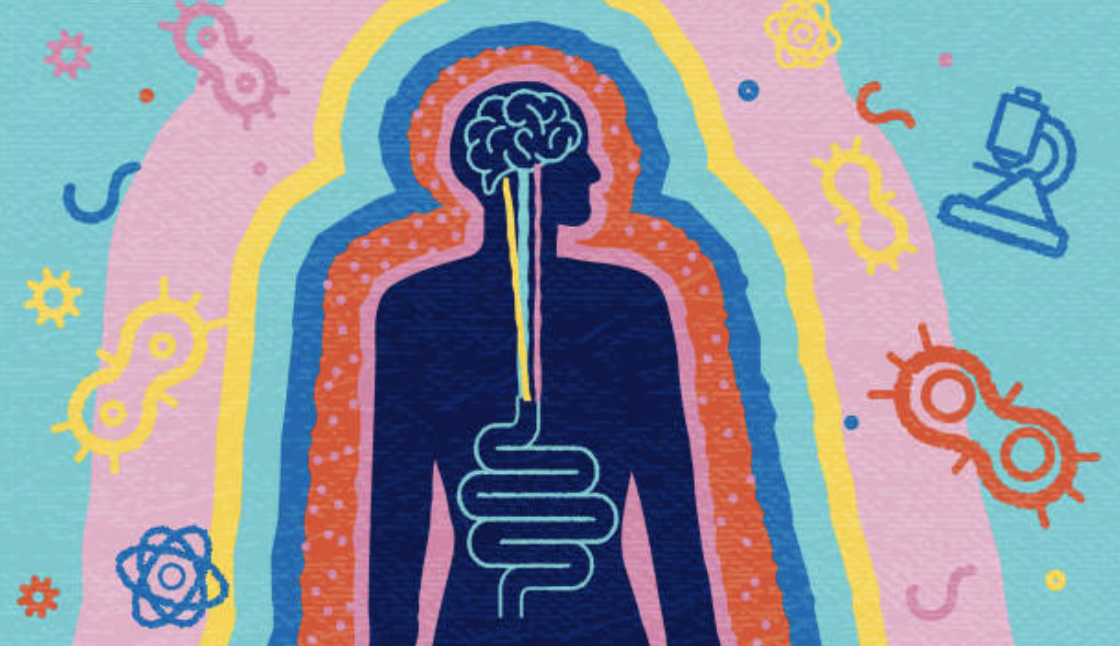
The Microbiota-Gut-Brain Axis and Its Convergence with Entheogenic Practice: An Integrative Perspective

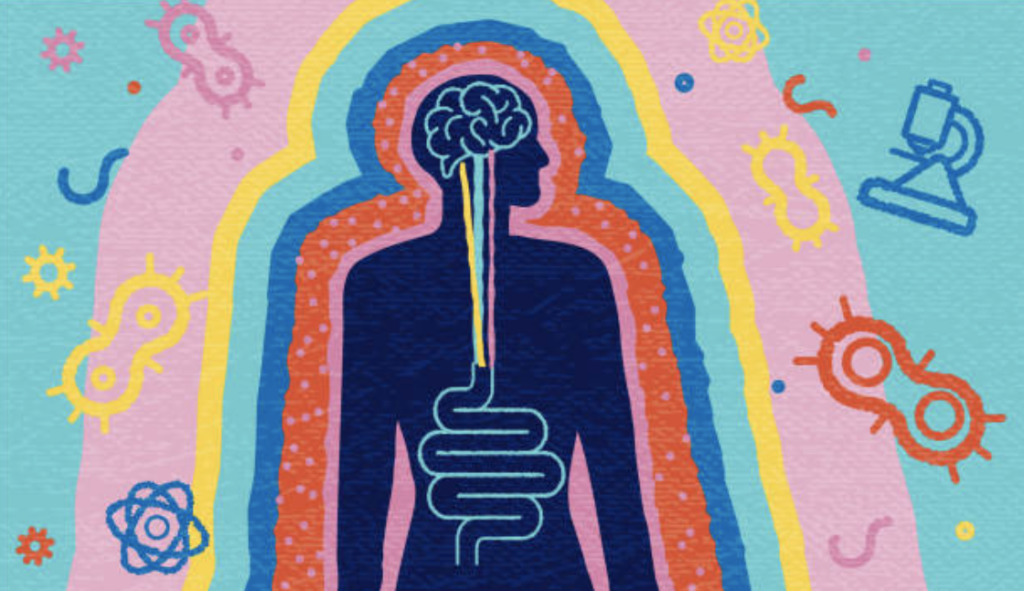
Introduction The connection between the microbiota, gut, and brain—termed the microbiota-gut-brain axis—has garnered substantial scientific and clinical interest in recent years due to its profound implications for physical, mental, and emotional wellbeing (Cryan et al., 2019)[1]. This complex, bidirectional communication system influences a broad spectrum of bodily functions, extending to cognitive and affective states, with the microbiota emerging as a key regulator of gut-brain function (Cryan et al., 2019)[1]; Foster & Neufeld, 2013[2].
Mechanisms of the Microbiota-Gut-Brain Axis
The interplay between gut microbiota and the central nervous system (CNS) is multifaceted, involving direct and indirect communication via the enteric nervous system (ENS), autonomic nervous system (ANS), vagus nerve, immune system, and microbial metabolites (Foster & Neufeld, 2013; Cryan et al., 2019)2.
Gut microbes produce neuroactive molecules such as acetylcholine, GABA, and serotonin, which can influence brain cell physiology directly and indirectly, whilst microbial metabolites like short-chain fatty acids (SCFAs) cross the blood-brain barrier to modulate microglial function and barrier integrity (Silva et al., 2020; Cryan et al., 2019)3.
Eubiosis, Dysbiosis, and Foundational Support
A diverse and balanced gut microbial community, known as eubiosis, is fundamental to health, whereas dysbiosis—an imbalance—is linked to gastrointestinal, metabolic, neurological, and mental health disorders such as irritable bowel syndrome (IBS) and anxiety (Levy et al., 2017; Cryan et al., 2019)4. Maintaining gut health through regular exercise and a balanced, fibre-rich diet fosters microbial diversity, with plant-based diets associated with beneficial microbiota profiles, though responses vary by genetics and health status (Monda et al., 2017; Tomova et al., 2019)[5].
Personalised Assessment via Microbiota DNA Testing
Advanced diagnostic tools like microbiota DNA sequencing identify dysbiotic patterns, such as deficiencies in Bifidobacterium or Lactobacillus, or overgrowths contributing to IBS, inflammatory bowel disease (IBD), metabolic disorders, and mental health challenges (Vich Vila et al., 2018; Cryan et al., 2019)5. The gut microbiota influences metabolism and bioavailability of pharmaceuticals, botanicals, and fungi potentially modulating bioactive compound effects (Knight et al., 2021).
The Intersection with Entheogenic Practice and Diet
Traditional preparatory diets, such as the ayawaska diet (dieta) in South American practices, involve abstaining from red meat, alcohol, Vijaya (cannabis), caffeine, sugar, and sexual activity to purify body and mind, potentially enhancing entheogenic effects (Labate & Cavnar, 2014).
Emerging research suggests entheogens may alter the gut microbiota, creating feedback loops influencing mental and emotional states via the microbiota-gut-brain axis (Johnson et al., 2022).
Towards Personalised Entheogenic Practice
Tailoring entheogenic ceremonies and psychotherapy to an individual’s microbiota profile and dietary habits could optimise outcomes, integrating prebiotics, probiotics, postbiotics, and preparatory diets to support gut ecology (Sandhu et al., 2017; Agin-Liebes et al., 2022).
As these therapies gain clinical traction, evidence-based dietary guidelines for pre- and post-treatment are essential for safety and efficacy (Agin-Liebes et al., 2022).
Conclusion
The microbiota-gut-brain axis interfaces traditional wisdom with contemporary science, where tools like microbiota DNA testing enable personalised holistic health approaches, potentially revolutionising entheogenic therapy (Cryan et al., 2019)[1].
©DrAndrewMacLeanPagonMDPhD2026
( द्रुविद् रिषि द्रुवेद सरस्वती Druid Rishi Druveda Saraswati)
All rights reserved.
References
Cryan, J. F., et al. (2019). The Microbiota-Gut-Brain Axis. Physiological Reviews.[1]
Foster, J. A., & Neufeld, K. A. (2013). Gut–brain axis: how the microbiome influences anxiety and depression. Trends in Neurosciences.[2]
Silva, Y. P., et al. (2020). The role of short-chain fatty acids from gut microbiota in gut-brain communication. Frontiers in Endocrinology.[3]
Levy, M., et al. (2017). Dysbiosis and the immune system. Nature Reviews Immunology.[4]
Monda, V., et al. (2017). Exercise modifies the gut microbiota with positive health effects. Oxidative Medicine and Cellular Longevity.[5]
Tomova, A., et al. (2019). The effects of vegetarian and vegan diets on gut microbiota. Frontiers in Nutrition.[5]
Vich Vila, A., et al. (2018). Gut microbiota composition and functional changes in inflammatory bowel disease and irritable bowel syndrome. Science Translational Medicine.[5]
Knight, R., et al. (2021). The Microbiome and Human Pharmacology. Annual Review of Pharmacology and Toxicology.
Labate, B. C., & Cavnar, C. (Eds.). (2014). Ayahuasca Shamanism in the Amazon and Beyond. Oxford University Press.
Johnson, R. L., et al. (2022). Psychedelics and the Gut Microbiome: A Preliminary Review. Journal of Psychoactive Drugs.
Sandhu, K. V., et al. (2017). Feeding the microbiota-gut-brain axis: diet, microbiome, and neuropsychiatry. Translational Research.
Agin-Liebes, G., et al. (2022). Integration and Preparation in Psychedelic-Assisted Therapy. Journal of Humanistic Psychology.
Recommend0 recommendationsPublished in Gaia's Pharmacy with Dr. Andrew Maclean Pagon, MD PhD


Subscribe to Awake Events & Posts