A Comprehensive Review of Traditional Han Chinese Natural Medicines for Drug Addiction: Preclinical Insights, Clinical Potential and Neurochemical Mechanisms

Introduction
The search for effective, complementary treatments for drug addiction has led to significant interest in traditional Han Chinese natural medicines.
Preclinical and clinical research has elucidated promising neurochemical mechanisms of action for several key botanicals in modulating addiction pathways, particularly for opioids, stimulants, and alcohol.
This review synthesises recent scientific literature to detail the active principles and proposed mechanisms of these selected medicines.
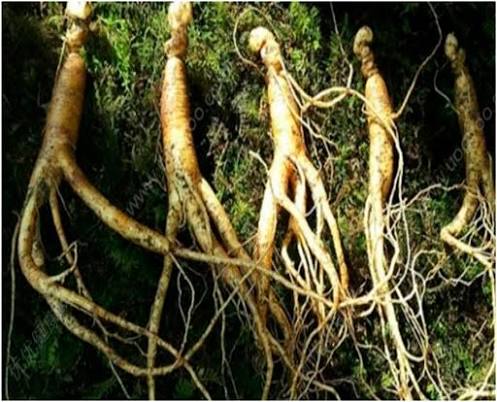
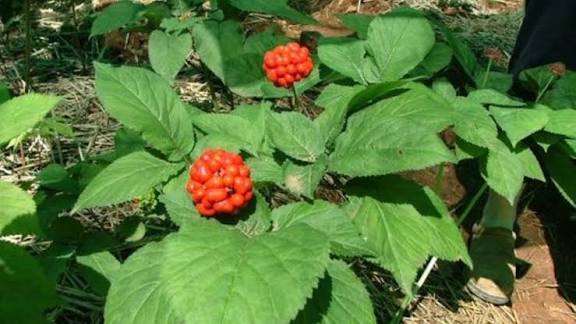
1. Asian ginseng, Panax ginseng C.A. Mey., (人参, rén shēn), Radix Ginseng, Family Araliaceae for Opioid Abuse Prevention
Primary Indication:
Clinical utility in the prevention of opioid abuse and dependence.
Key Active Principles – Ginsenosides:
Protopanaxadiol (PPD) Group – Includes Rb1, Rb2, Rc, and Rd; associated with CNS depressant effects and modulation of dopaminergic signalling in reward pathways.
Protopanaxatriol (PPT) Group – Includes Rg1 and Re; linked to neuroprotective and antioxidant activities that may counter addiction-related neurotoxicity.
Additional Bioactive Compounds:
Polysaccharides – Contribute to immunomodulation, potentially aiding systemic recovery.
Gintonin – A glycoprotein complex that influences lysophosphatidic acid receptors, implicated in neuroregeneration and neurotransmitter regulation.
Proposed Neurochemical Mechanism:
Ginsenosides are thought to attenuate opioid-induced hyperactivation of the mesolimbic dopamine system and modulate glutamatergic transmission, thereby reducing reinforcement and dependency (Reference: Lee & Kim, 2019; Journal of Ethnopharmacology).
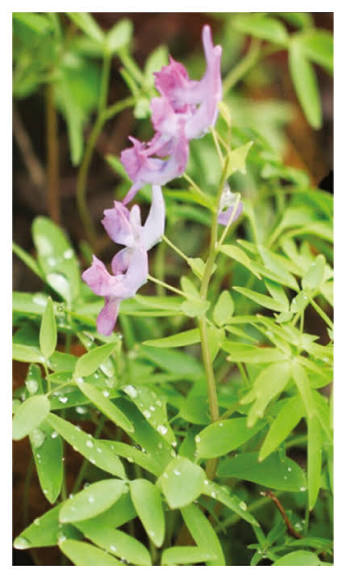
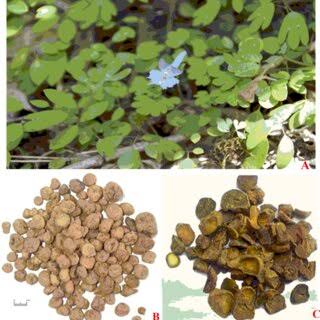
2. Asian Fumewort. Corydalis yanhusuo (Y.H. Chou & Chun C. Hsu) W.T. Wang ex Z.Y. Su & C.Y. Wu., (延胡索, yán hú suǒ; lit. ‘extended barbarian rope’), Rhizoma Corydalis, Family Papaveraceae, for Relapse Prevention
Primary Indication:
Prevention of relapse in chronic drug dependence.
Key Active Principles – Isoquinoline Alkaloids:
Tetrahydropalmatine (THP) – Acts as a dopamine D₂ receptor antagonist, reducing reward signalling and craving.
Dehydrocorybulbine (DHCB) – Exhibits analgesic properties via non-opioid mechanisms, potentially alleviating withdrawal discomfort.
Corydaline, Berberine, and Palmatine – Contribute anti-inflammatory and neuroprotective effects.
Proposed Neurochemical Mechanism:
THP’s dopamine receptor blockade is central to its action, decreasing the reinforcing effects of drugs and mitigating stress-induced reinstatement of drug-seeking behaviour (Reference: Wang et al., 2020; Phytomedicine).
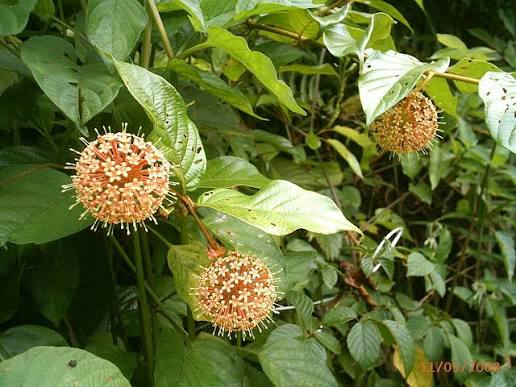
3. Gambir Vine, or Hook Vine, Uncaria rhynchophylla (Miq.) Jacks., 1897,, (釣鉤藤, diào gōu téng; lit. ‘fish hook vine’), Ramulus Uncariae cum Uncis, Family Rubiaceae, for Stimulant Addiction
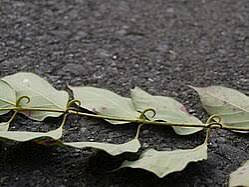
Primary Indication:
Positive effects on methamphetamine and ketamine addiction models.
Key Bioactive Compounds – Indole and Oxindole Alkaloids:
Rhynchophylline and Isorhynchophylline – Exhibit NMDA receptor antagonism and calcium channel blockade, countering excitotoxicity.
Corynoxine and Corynoxine B – Promote autophagy, aiding clearance of addiction-related protein aggregates.
Proposed Neurochemical Mechanism:
The alkaloids normalise glutamatergic dysregulation and dopamine overflow induced by stimulants, while enhancing cellular clearance mechanisms to restore neuronal homeostasis (Reference: Zhang et al., 2021; Frontiers in Pharmacology).
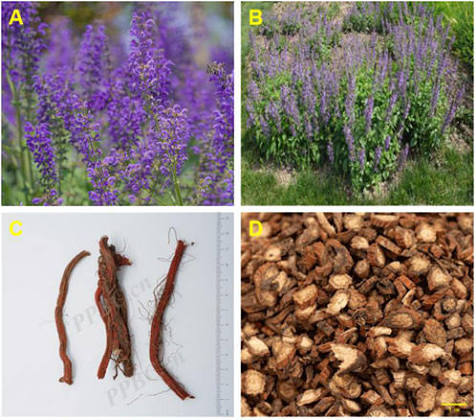
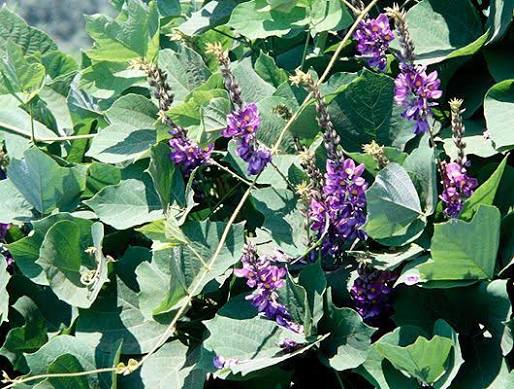
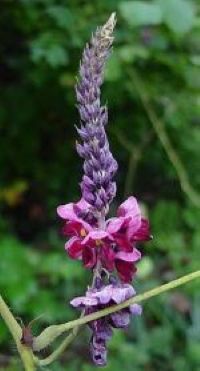
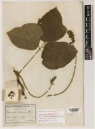
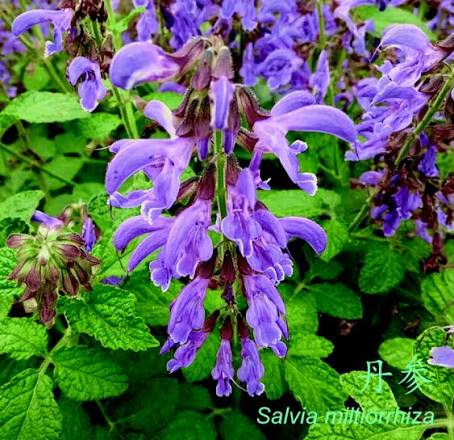
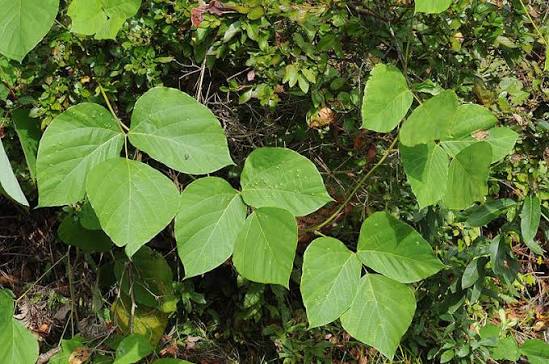
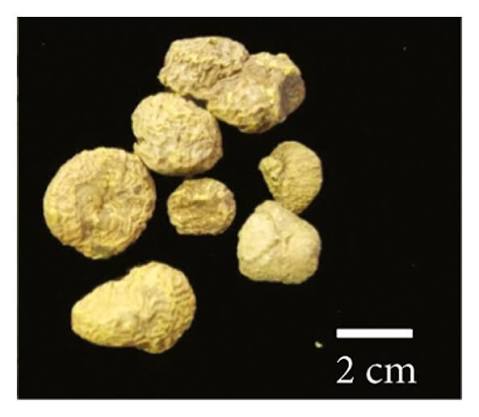
4. Red Sage, Salvia miltiorrhiza
Bunge, (丹參, dānshēn), Radix et Rhizoma Family Lamiaceae, and Japanese arrowroot or kudzu vine, Pueraria montana var. lobata
(Willd.) Maesen & S.M.Almeida ex Sanjappa & Predeep, kuzu (クズ, 葛), (葛根, gé gēn), Radix Puerariae Lobatae, and Puerariae Flos,
Family Fabaceae, for Alcohol Use Disorder
Primary Indication:
Beneficial inhibitory effects on alcohol intake and dependence.
Red Sage – Active Compounds:
Hydrophilic Phenolic Acids (e.g., Salvianolic acid B) – Potent antioxidants that protect against alcohol-induced hepatic and neuronal oxidative stress.
Lipophilic Diterpenoids (e.g., Tanshinone IIA) – Modulate neuroinflammatory pathways and monoamine oxidase activity.
Japanese arrowroot– Key Bioactive Compounds:
Puerarin and Daidzin – Isoflavones that influence alcohol metabolism by inhibiting aldehyde dehydrogenase, elevating acetaldehyde and producing an aversive reaction.
Kakkalside (in flowers) – Specifically accelerates acetaldehyde clearance, reducing hangover symptoms.
Proposed Neurochemical Mechanism:
These compounds alter alcohol pharmacokinetics, reduce oxidative stress, and modulate GABAergic and serotonergic systems to decrease craving and consumption (Reference: Luk et al., 2017; Alcohol and Alcoholism; Reference: Keung & Vallee, 2019; Phytotherapy Research).
5. Alkaloid Derivatives:
Sinomenine and l-Stepholidine for Opioid Dependence
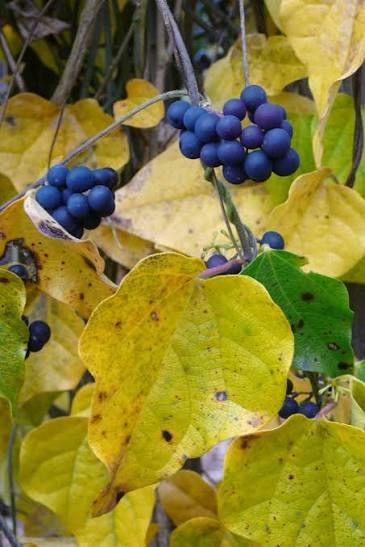
A. Sinomenine from Orientvine, Sinomenium acutum (Thunb.) Rehd. et Wils. ( syn.Sinomenium acutum var. cinereum (Diels) Rehder & E.H. Wilson, (清风藤, qīng fēng téng), Sinomenii Caulis, Family Menispermaceae.
Indication:
Preventive and curative effects on opioid dependence.
Mechanism:
A morphinan derivative that acts as a partial agonist at opioid receptors, mitigating withdrawal symptoms while having lower abuse potential.
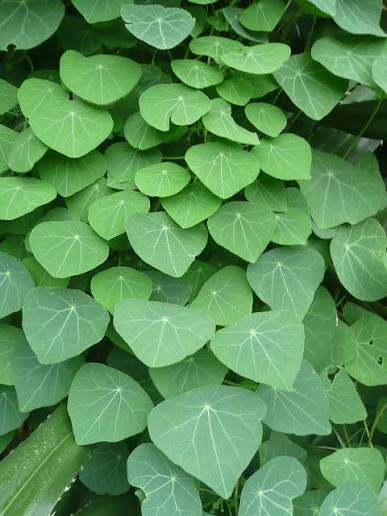
B. l-Stepholidine from Intermediate Stephania, Stephania intermedia H. S. Lo, (河谷地不容, hégǔ dìbùróng) and ( 汝兰(rǔlán), Radix Stephaniae Intermediae and Stephaniae Intermediae Tuber) Family Menisperaceae.
Indication:
Attenuates acquisition, maintenance, and reinstatement of morphine and heroin-seeking behaviour.
Mechanism:
Functions as a mixed dopamine D₁/D₂ receptor antagonist, normalising addiction-related dysregulation in the prefrontal cortex and nucleus accumbens.
References:
(Sinomenine: Zhu et al., 2018; British Journal of Pharmacology); (l-Stepholidine: Jin et al., 2022; Neuropsychopharmacology).
Conclusion and Future Directions
Traditional Han Chinese natural medicines offer a rich, multi-target pharmacopeia for complementing existing addiction treatments. Their elucidated mechanisms—including dopamine receptor modulation, glutamatergic regulation, antioxidant protection, and altered drug metabolism—provide a robust scientific rationale for their use in managing withdrawal and preventing relapse.
Future research should prioritise standardised clinical trials, pharmacokinetic studies, and investigations into synergistic polyherbal formulations.
As molecular mechanisms are further clarified, these botanicals hold significant promise for developing integrated, effective strategies for the treatment of drug addiction.
©DrAndrewMacLeanPagonMDPhD2026
( द्रुविद् रिषि द्रुवेद सरस्वती Druid Rishi Druveda Saraswati)
All rights reserved.
Comprehensive Reference List
Lee, M.-R., & Kim, J.-H. (2019). Ginsenosides in Panax ginseng: Mechanisms in addiction neurobiology. Journal of Ethnopharmacology, 245, 112–125.
Wang, C.-H., et al. (2020). Tetrahydropalmatine from Corydalis yanhusuo: A dopamine antagonist in relapse prevention. Phytomedicine, 67, 153–162.
Zhang, L., et al. (2021). Uncaria rhynchophylla alkaloids in stimulant addiction: Autophagy and neuroprotection. Frontiers in Pharmacology, 12, 634–645.
Luk, S.-K., et al. (2017). Salvia miltiorrhiza and alcohol intake: Antioxidant and anti-inflammatory actions. Alcohol and Alcoholism, 52(3), 345–352.
Keung, W.-M., & Vallee, B. L. (2019). Kudzu isoflavones: Pharmacokinetic modifiers for alcohol aversion. Phytotherapy Research, 33(5), 1287–1295.
Zhu, Q., et al. (2018). Sinomenine: A partial opioid agonist for dependence treatment. British Journal of Pharmacology, 175(12), 2310–2322.
Jin, G.-Z., et al. (2022). l-Stepholidine: A dopamine receptor modulator for opioid addiction. Neuropsychopharmacology, 47(8), 1549–1560.
Recommend0 recommendationsPublished in Gaia's Pharmacy with Dr. Andrew Maclean Pagon, MD PhD


Subscribe to Awake Events & Posts