A Holistic Examination of the Therapeutic Boundary


A Holistic Examination of the Therapeutic Boundary
The Vessel
The space between us, thin as breath,
A sacred map drawn firm and sure.
Not walls of stone, but threads of life,
To hold the dark, the light, the pure.
The self dissolves, the soul takes flight,
Within this bound and hallowed frame,
Where healer’s craft and pure heart’s own sight
Must guard the undefended flame.
The Living Boundary: Holistic Formulation in Psychiatric Practice
The initial premise remains correct: the boundary between a holistic psychiatrist and their patient or participant is not merely a set of rules, but a dynamic, living entity essential for the sanctity and efficacy of the entire therapeutic process.
Its thinning is not, in itself, a sign of professional failure, but rather an inherent occupational hazard of the work, demanding profound and constant ethical, moral, and professional engagement from the clinician.
Within this relational framework, it is crucial to emphasise that holistic psychiatric formulation is distinct from judgement or criticism.
It constitutes a holistic diagnostic reality—an empathic, compassionate, integrative understanding of the individual within the full context of their biological, psychological, social, cultural, and spiritual existence.
This approach seeks not to label, but to comprehend the unique narrative and phenomenological experience of the person, forming the essential foundation for any collaborative treatment pathway.
The Holistic Foundations of Entheogenic Psychotherapy
The Interconnected Framework
A holistic psychiatrist practising entheogenic psychotherapy must appreciate the interconnectedness of mind, energy, body, and spirit; the necessity of a comprehensive and individualised approach; and the unique ethical, moral, and practical considerations inherent in working with non-ordinary states of consciousness.
The Multidimensional Impact of Entheogens
A key area of practitioner awareness is the understanding that entheogens affect an individual on all these levels. The induced experience can elicit distinct physical and energetic sensations, intense mental and emotional states, and profound spiritual or existential insights. For genuine healing and potential resolution or cure to occur, all of these dimensions must be skilfully addressed within the therapeutic container.
The Scientific & Psychological Underpinnings
The Neurobiology of Attachment, Transference, and Countertransference
The therapeutic relationship consciously utilises the mind-brain’s innate attachment systems. The holistic psychiatrist provides a secure base—a source of safety, attunement, and non-judgemental, non-critical listening. This activates neural pathways associated with trust and vulnerability, a vital neurobiological mechanism of therapeutic change.
However, this very process inevitably fuels the dynamics of transference and countertransference. If these powerful forces are not recognised, contained, and analysed for the patient’s or participant’s benefit, they can lead to a significant breach in the therapeutic alliance.
Transference is the subconscious and unconscious redirection of feelings, emotions, thoughts, desires, and expectations from past significant relationships (such as parental figures) onto individuals or situations in the present. Within therapy, patients or participants project these unresolved mental and emotional states onto their therapist.
This process allows the therapist to understand a patient’s deep-seated relational patterns by holistically analysinghow they relate to the therapeutic relationship.
It reveals unresolved childhood and other conflicts and aids patients or participants in gaining insight, enabling them to mature beyond these historical influences.
Countertransference refers to the therapist’s own subconscious and unconscious mental and emotional reactions to a patient or participant. These reactions stem from the therapist’s unresolved issues and past experiences, and can be mirrored or triggered by the patient’s material or behaviour. While unexamined countertransference can hinder therapy by compromising the clinician’s objectivity, when recognised and managed effectively—often through reflective practice and supervision—it becomes a valuable diagnostic tool. It offers crucial insight into the patient’s or participant’s internal world and habitual relationship patterns.
Power Imbalance, Cognitive Vulnerability and Heightened Suggestibility
An individual seeking assistance as a patient or (research) participant is, by definition, in a position of need, which creates an inherent state of vulnerability and a consequential power differential.
The holistic psychiatrist, occupying the role of the perceived expert and authority, holds significant influence over the therapeutic or participatory relationship. This dynamic carries with it a profound ethical, moral, and professional obligation to wield such influence with extreme care, deliberately orienting all actions towards strengthening the individual’s autonomy and capacity for self-determination.
This responsibility is further underscored by the need to acknowledge the heightened suggestibility that often accompanies states of distress, uncertainty, or intense therapeutic engagement. A practitioner must therefore remain vigilant to ensure that their guidance, however well-intentioned, does not inadvertently override the individual’s own values, preferences, or critical judgement.
The ethical and moral imperative is to create a collaborative space that mitigates the effects of this inherent power imbalance, using professional influence not to direct but to empower, always prioritisingthe cultivation of the individual’s own agency within the process.
Cultural and Spiritual Humility and Respect
A holistic psychiatrist must acknowledge the historical and traditional use of entheogens within indigenous cultures and approach these practices with cultural and spiritual sensitivity, avoiding appropriation.
It is essential to respect and non-coercively incorporate the patient’s own cultural and spiritual background into the therapeutic process.
The “Frame” as a Container:
The consistent setting, time, fee, and conduct form the “therapeutic frame”. This frame acts as a container for intense, often chaotic, mental, emotional, and spiritual states. Any rupture compromises this integrity and can be profoundly destabilising.
The Philosophical, Ethical, & Moral Dimensions
This is fundamentally a philosophical problem concerning power, responsibility, and the two-legged (human) encounter.
A Relationship of Unequals for the Sake of Equality
This intentional asymmetry is an ethical, moral, and professional duty. The holistic psychiatrist’s needs are kept secondary to create a space dedicated entirely to the patient or participant. Emmanuel Lévinas’sconcept of the “Other” is pertinent: the patient’s or participant’s vulnerability places an infinite ethical, moral and professional demand on the holistic psychiatrist.
Virtue Ethics in Practice:
Beyond rule-based (deontological) approaches, virtue ethics is essential.
The character traits of a good holistic psychiatrist—prudence, honesty, integrity, courage, empathy, compassion, and practical wisdom (phronesis)—allow navigation of grey areas where rigid rules offer no guide.
The Phenomenology of the Encounter
Therapy requires “disciplined subjectivity.”
The holistic psychiatrist must be fully present, engaging with empathy and compassion but not succumbing to sympathy. This delicate balance is where the line is at its thinnest and most potent.
The Spiritual, Transcendent, and Entheogenic Considerations
The work naturally touches on spiritual themes, a dimension intensified within entheogenic psychotherapy.
The Sacredness of Confession and Witness
The consulting room is a modern secular sanctuary. A breach of trust here is a form of sacrilege.
In entheogenic psychotherapy, this sacred trust is paramount. The profoundly non-ordinary states place the patient or participant in unparalleled vulnerability, where the guide’s role as a grounded, ethical, moral, and professional witness becomes the essential anchor.
Holding the Shadow
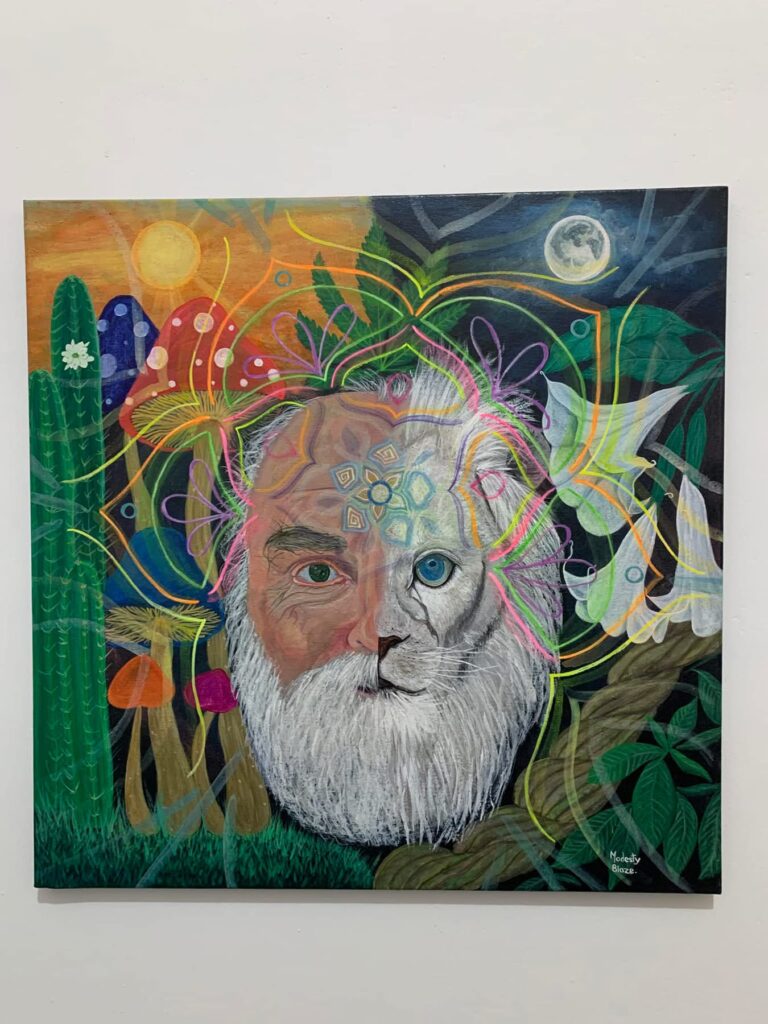
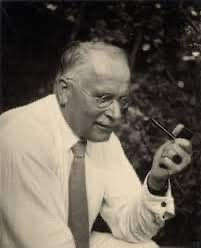
Dr. Carl Jung’s concept of the “Shadow” is highly relevant. Entheogenic experiences can catalyse a rapid and intense confrontation with shadow material.
The holistic psychiatrist must possess exceptional self-knowledge to hold this space without projection ( a defense mechanism where one subconsciously or unconsciously attribute one’s own unacceptable thoughts, feelings, emotions, impulses, or traits onto a patient or participant to avoid confronting them internally, (like a person feeling insecure accusing others of being judgmental) ensuring the patient’s or participant’s journey remains central.
The boundary prevents the guide’s own unprocessed material from contaminating the patient’s or participant’s visionary state.
The Grounding of Potentiated Sexual Energy
Entheogenic experiences can, for some individuals, involve a powerful intensification and liberation of life energy, which may manifest as heightened sensual or sexual feelings. This potent energyi must be skilfully recognised, contained, and grounded within the therapeutic frame. The holistic psychiatrist has an absolute duty to navigate this dynamic with profound professional discipline, ensuring this vulnerable expression of vitality is directed solely towards integration, self-understanding, and psychological or spiritual healing—and is never, under any circumstances, exploited or abused.
Central to this duty is the maintenance of strict and unambiguous professional boundaries. Physical touch within a session must never be assumed; any potential use of touch should be discussed and explicitly consented to in advance, outside of an altered state. This boundary acts as the critical safeguard, transforming raw, potent energy into a constructive force for healing and potential cures, rather than a source of harm.
Compassion without Attachment
This Buddhist principle—deep compassion without needing anything in return—is the purest form of therapeutic care. Entheogenic work demands this in its utmost expression. The boundary ensures that compassion remains generative, allowing the patient’s or participant’s unique journey to unfold without the guide’s attachment to a particular outcome.
The Acquired Skill: Navigating Non-Ordinary States of Consciousness
The incorporation of entheogenic psychotherapy necessitates a distinct and acquired clinical skill set that extends far beyond establishing an appropriate ‘set and setting’. The holistic psychiatrist must become a proficient navigator of non-ordinary states of consciousness ( NOSC).
This requires:
Therapeutic Poise in NOSC
The ability to remain deeply centred, mentally, emotionally, and spiritually regulated, and intuitively responsive amidst the patient’s or participant’s potentially intense catharsis, visionary content, or existential distress, without resorting to premature reassurance or interpretation.
Navigational Competence
A nuanced understanding of the common typologies of entheogenic experience (e.g., mystical, psychological, somatic, challenging) and the skill to support the patient’s or participant’s process without directing it. This involves knowing when to offer a grounding presence, a gentle verbal cue, or respectful silence.
Preparation and Integration as Core Competencies
It is essential to understand that the dosing session itself is only one component of the treatment. The most critical skill for the practitioner is facilitating the integration of insights from non-ordinary states of consciousness (NOSC) into ordinary waking life.
This process involves helping the patient or participant translate ineffable, symbolic, and deeply personal material—whether mental, emotional, or spiritual—into meaningful cognitive, behavioural, and existential change. Ultimately, it is about weaving the transcendent experience back into the fabric of their personal narrative.
To achieve this, thorough preparation is fundamental. This phase involves setting clear intentions, being attentive, managing expectations, building a strong therapeutic alliance, and teaching practical self-regulation tools or skills—such as yoga, meditation, mantra, yantra, mandala, pranayama (breathing exercises), martial arts, and other mindfulness, somatic, and grounding techniques—to support the individual during their journey into non-ordinary states of consciousness.
Following the experience, dedicated integration sessions are crucial. These provide a supportive space for the patient or participant to make sense of their insights, process any challenging material that may have arisen, and consciously apply their new understandings to daily life. This integration work is what anchors the experience and fosters lasting change.
Synthesis and Advanced Nuance in Maintenance
Boundary maintenance is a proactive, dynamic practice, especially within an entheogenic context.
Supervision or Peer Consultation and Interdisciplinary Collaboration
The practice of entheogenic psychotherapy demands an unwavering commitment to professional containment and personal development. Given the intensity of this work, robust clinical supervision or peer consultation is non-negotiable. Such a forum provides an essential container for processing profound patient or participant material and for managing the practitioner’s own countertransference, thereby ensuring the patient’s or participant’s needs remain paramount.
Concurrently, the clinician must stay abreast of the latest scientific literature and evolving formal guidelines through continuous professional development. This professional diligence must be paired with deep personal reflection. Undertaking one’s own therapeutic work and engaging in supervision with experienced colleagues are indispensable for cultivating the self-awareness required to recognise personal biases, vulnerabilities, and one’s own metaphysical orientation.
Finally, a holistic psychiatrist should effectively (if necessary) work with a team of professionals (e.g., co-therapists, spiritual health practitioners) to provide additional comprehensive care and a balanced perspective that counteracts a purely conventional biomedical approach.
The Management of Gratitude and Awe
In entheogenic therapy, gratitude can be amplified into feelings of spiritual reverence. The holistic psychiatrist must acknowledge these feelings while firmly grounding the relationship in its therapeutic purpose, redirecting the credit back to the patient’s or participant’s own inner healing and potentially curative intelligence.
The Digital Frontier and Integration
Explicit frameworks for digital communication are critical. For entheogenic integration, where insights may arise urgently outside sessions, clear protocols are essential to maintain the therapeutic frame while allowing for structured support.
The Gift of Limitations and the Expanded Container
Therapeutic boundaries are not a cold wall but the architecture of safety and freedom. In entheogenic psychotherapy, the boundary is both more rigid and more expansive. It is rigid in its ethical, moral, and professional imperatives—the unassailable safeguard against any form of abuse—yet expansive in its capacity to skilfully hold NOSC and potentiated energies.
It forms the steadfast ‘set’ within the ‘set and setting’, providing the consistent, expertly held container that allows for a deep, transformative journey into the self.
Incorporating Subconscious, Unconscious, and Superconscious Traits and States
In the therapeutic setting, both the holistic psychiatrist and the patient or participant navigate not only the conscious mind but also the subconscious and unconscious realms, along with the potential for superconscious experiences.
The Subconscious and Unconscious Dynamics
The subconscious and unconscious hold memories, feelings, emotions, and experiences that may influence behaviourand thought patterns, often outside of conscious awareness.
The holistic psychiatrist must remain attuned to these dynamics, facilitating a space where buried material can surface, allowing for healing, potential cures and integration. Techniques such as mindfulness, reflective listening, and somatic engagement can aid in accessing these deeper layers.
Superconscious States
The superconscious, often associated with higher states of awareness or spiritual experiences, can be vital in therapeutic settings, particularly within entheogenic contexts. The holistic psychiatrist must cultivate their own superconscious awareness to effectively guide patients or participants through these elevated states. This requires a balance of humility and confidence, as the holistic psychiatrist navigates the fine line between guiding and allowing the patient’s or participant’s journey to unfold organically.
Informed Consent for Participation in an Entheogenic Therapeutic Ceremony
Introduction and Purpose
This document outlines the protocol for obtaining fully informed consent from a patient or participant (hereafter ‘the Patient or Participant’) prior to their engagement in a therapeutic ceremony involving the administration of an entheogenic substance. The primary aim is to ensure the Patient or Participant comprehends the nature, potential benefits, inherent risks, and unpredictable course of such an experience, thereby enabling an autonomous and informed decision.
Nature of the Intervention
The intervention involves the guided use of a psychoactive substance (e.g., magic mushroons , ayawaska, or wachuna ( cactus San Pedro etc.) within a structured ceremonial or clinical setting. It is crucial the Patient or Participant understands these substances are currently investigational in most jurisdictions and are not approved as standard conventional medical treatments. The subjective effects are highly variable, non-linear, and can be intensely challenging, encompassing profound alterations in perception, emotion, and cognition.
Voluntary Participation and Right to Withdraw
Participation is entirely voluntary.
The Patient or Participant retains the unequivocal right to withdraw their consent at any point before, during, or after the ceremony without penalty or detriment to their future care or standing.
Explanation of Potential Risks
The Patient or Participant must be clearly informed of potential risks, which may include, but are not limited to: acute psychological distress (e.g., anxiety, paranoia, confusion), emergence of traumatic memories, transient exacerbation of pre-existing psychiatric symptoms, and, in rare cases, the onset of prolonged psychological difficulties (i.e., Hallucinogen Persisting Perception Disorder). Physical risks, though less common, may involve nausea, vomiting, hypertension, or drug interactions.
Explanation of Potential Benefits
Potential benefits, as reported in clinical research, may include sustained reductions in symptoms of depression, anxiety, or PTSD; enhanced psychological insight; increased mental and emotional openness; and improved overall well-being. These outcomes are not guaranteed and individual responses vary significantly.
Confidentiality
All personal information and data obtained during the course of the intervention will be handled with strict confidentiality in accordance with applicable data protection regulations (e.g., UK GDPR, Data Protection Act 2018). Exceptions to confidentiality will be explained (e.g., mandatory reporting laws).
In the United States, this is commonly referred to as the protection of patient or client confidentiality under Health Insurance Portability and Accountability Act (HIPAA) and related privacy laws.
Confirmation of Understanding
The consent process must be iterative, involving multiple discussions. The practitioner must assess the Patient’s or Participant’s capacity to consent, ensure all queries are answered, and verify understanding. Written consent, signed by both Patient or Participant and witness, shall serve as formal documentation of this process.
Comprehensive Assessment, Safety and Risk Management
A holistic psychiatrist must conduct a thorough evaluation of the patient’s or participant’s full life history. This assessment should encompass physical, mental, and emotional health; diet; sleep; sexual life; lifestyle; social connections; relationships; and trauma history, including intergenerational and transgenerational aspects.
Personal beliefs, such as spirituality or religion, must also be considered. A complete medical, psychological, and psychiatric screening is essential, as entheogens are contraindicated for certain individuals (e.g., those with active addiction, or a personal or family history of mental and emotional disorders such as psychosis, and certain medical conditions).
Furthermore, the holistic psychiatrist ought to be prepared to manage adverse effects or “difficult” entheogenic experiences with grounding techniques or natural anxiolytic medication, if necessary. This holistic foundation is required to develop an individualised treatment plan and mitigate potential risks.
Spiritual Materialism and Spiritual Bypassing
A holistic psychiatrist addresses spiritual materialism and bypassing by grounding the work in the patient’s or participant’s entire lived experience, prioritisingpsychological integration and self-awareness over transcendent escapism.
Addressing Spiritual Materialism
Spiritual materialism involves the ego co-opting spiritual experiences for self-enhancement or status.
The holistic psychiatrist counters this by:
Encouraging Non-Attachment.
Guiding patients or participants away from ‘spiritual achievements’ and towards valuing the process of growth itself.
Fostering Humility
Modelling humility to counteract spiritual elitism and emphasise shared human imperfection.
Focusing on Real-World Engagement:
Prioritising practical engagement with daily life, relationships, and responsibilities.
Normalising Struggle
Framing mental and emotional challenges as integral to growth, not as spiritual failures.
Addressing Spiritual Bypassing
Spiritual bypassing uses spirituality to avoid unresolved psychological issues.
The holistic psychiatrist intervenes by:
Adopting a Holistic Approach:
Ensuring spiritual work complements, not replaces, emotional and psychological healing across all dimensions of the individual.
Emphasising ‘The Way Through’
Guiding patients to face painful mental and emotional states and trauma directly, rather than transcending them.
Integrating Psychological Modalities
A robust approach to addressing spiritual bypassing involves using therapeutic frameworks, such as Internal Family Systems (IFS), to compassionately engage with the underlying mental and emotional needs and unresolved wounds that the bypassing attempts to conceal. IFS is particularly effective as it helps individuals identify and befriend their various internal ‘parts’—such as exiled mental and emotional states or protective managers—fostering self-leadership and healing and potential cures from within.
Other evidence-based modalities can be effectively merged with this approach. Compassion-Focused Therapy (CFT) directly counters the shame and self-criticism often masked by spiritual ideals, cultivating a grounded sense of self-compassion. Acceptance and Commitment Therapy (ACT) encourages psychological flexibility, teaching patients or participants to accept difficult feelings without judgement while committing to valued actions, thus preventing avoidance. Furthermore, trauma-informed modalities, like Somatic Experiencing or Sensorimotor Psychotherapy, are crucial for addressing the physiological and implicit memories that talk-based spirituality may overlook.
Dialectical Behaviour Therapy (DBT) skills training can also provide essential grounding in mental and emotional regulation and distress tolerance, creating a firmer foundation for any spiritual practice.
Integrating these modalities offers a comprehensive path: IFS and CFT address the internal relational system, ACT and DBT build cognitive and emotional skills, and somatic therapies ensure the body’s experiences are integrated. This multi-faceted approach respects the individual’s spiritual inclinations while ensuring psychological integrity, moving beyond bypassing towards genuine, embodied wellbeing.
Facilitating Thorough Integration:
Ensuring post-experience integration is robust, grounding insights and addressing unearthed issues.
Modelling Healthy Boundaries:
Clinicians must examine their own spiritual biases to avoid imposing worldviews or enabling bypassing.
Assessing Community Context:
Evaluating whether the patient’s or participant’s spiritual community supports healthy psychological work or encourages further bypassing.
Ultimately, the holistic psychiatrist provides a non-judgemental space for the patient’s or participant’s full human experience, fostering genuine healing over an ego-driven spiritual persona.
The “Silver Lining” in Entheogenic Psychotherapy
The “silver lining” refers to the potential for profound therapeutic gain, even from challenging experiences. This paradigm shows promise for treatment-resistant conditions by targeting root causes and enhancing neuroplasticity.
A holistic psychiatrist integrates this by treating the patient or participant as a whole—mind, body, spirit—with emphasis on preparation, support, and integration.
Primary Benefits
Processing Difficult Mental, Emotional and Spiritual States
Challenging experiences can be reframed as opportunities to confront trauma and fear, leading to physical, energetic, mental, emotional and spiritual catharsis and insight.
Breaking Rigid Patterns:
Entheogens can disrupt the default mode network (DMN), breaking negative thought loops in depression and addiction.
Profound Insights & Spiritual Awakening
Experiences of interconnectedness and temporary ego dissolution can provide renewed meaning and reduced death anxiety, particularly in palliative care.
Enhanced Neuroplasticity
These substances may stimulate new neural connections, supporting long-term therapeutic change.
Rapid and Lasting Effects:
Studies note rapid, sustained symptom reduction in treatment-resistant depression and PTSD, unlike conventional antidepressants.
A Holistic Psychiatrist’s Approach
Comprehensive Assessment:
Evaluate physical health, emotional well-being, social context, and spiritual beliefs to identify underlying distress factors.
Emphasis on Preparation and Integration
The session is one component. Robust support involves: Preparation (setting intentions, educating on challenging experiences), Guided Support (a safe setting with trained facilitators), and Integration (processing insights for lasting change).
Synergy with Other Modalities
Combine with mindfulness, meditation, yoga, pranayama ( breathing exercises), mantra, mandala, yantra, martial arts, art and music therapy, massage and various types of physical therapy, nutrition, acupuncture and mugwort cauterisation ( moxibustion), natural medicines, and various types of psychotherapy to enhance overall well-being.
Addressing Root Causes
Use insights to address core traumas, energetic and psychological patterns, not just symptom management.
Cultural and Spiritual Competence:
Acknowledge the long history of entheogen use in indigenous cultures and respect individual variations in response.
By embracing this modality within a whole-person framework, holistic psychiatrists can maximise its healing and curing potential for patients and participants unresponsive to conventional treatments.
Syntropy
In entheogenic psychotherapy, “syntropy” describes the psyche’s inherent tendency toward order, complexity, and meaningful coherence, acting as the complementary opposite to psychological “entropy” (disorder and fragmentation).
Holistic psychiatrists can use syntropy as a guiding principle, integrating various types of psychotherapy with an understanding of non-ordinary states and the transpersonal to facilitate profound healing and potential cures.
Pre-Session Preparation (Set & Setting & Skill)
A safe, supportive, and intentional environment is established to encourage the natural emergence of syntropy. Patients are educated about both entropic (chaotic) and syntropic (integrative) phases of the experience. Clear, self-generated intentions and attentiveness help orient the process toward cohesion and purpose.
During the Entheogenic Session
The holistic psychiatrist adopts a supportive role, trusting the patient’s or participant’s internal “inner healer” to guide reorganisation. Emphasis is placed on facilitating meaning-making, helping the patient or participant move from raw, entropic material toward coherent narrative.
Non-dual or unitive experiences are validated as syntropic movements toward interconnectedness.
Post-Session Integration
The core work involves integrating insights into everyday life, transforming transient syntropic experiences into lasting changes.
The holistic psychiatrist assists in bridging mystical experiences with personal reality, fostering greater connection and purpose.
This is framed as an ongoing journey of self-transcendence and alignment with natural growth.
By centring syntropy in this way, the holistic psychiatrist leverages the mind’s innate organisational tendencies to guide patients or participants toward greater integration and well-being.
Therapeutic manoeuvring
Therapeutic manoeuvring requires navigating these multifaceted states with an understanding of their interplay and an ability to respond holistically.
The holistic psychiatrist must employ therapeutic tools and techniques that honour the complexities of mind, energy, body, and spirit, ensuring the process remains safe, ethical, and profoundly transformative.
In this work, the practitioner must also remain conscious of the inherent power dynamics within the therapeutic relationship, carefully avoiding the imposition of their own beliefs or agenda upon the patient’s experience.
Here, the professional boundary acts as both a protective barrier and a supportive framework, enabling deep exploration without a loss of direction.
Conclusion
In summary, the therapeutic boundary within holistic psychiatry constitutes a complex and dynamic construct, demanding continual attention, skill, and profound ethical, moral, and professional consideration.
By integrating subconscious, unconscious, and superconscious dynamics into clinical practice, the holistic psychiatrist cultivates a rich and transformative therapeutic space. This space honours the profound intricacies of the two-legged (human) experience and preserves the sacred trust between practitioner and patient—or participant—thereby facilitating deep healing, potential cure, and authentic personal growth.
Critically, this process cannot be forced; it must unfold organically, spontaneously, and freely, within a held and respectful container.
Ultimately, the holistic psychiatric boundary is a multifaceted entity: a scientific necessity, an ethical imperative, a philosophical paradox, and a spiritual covenant. Its maintenance, particularly within the profound context of entheogenic psychotherapy, represents the highest expression of professional duty. This demands not only vigilance and profound self-awareness but also a specifically acquired skill in navigating non-ordinary states of consciousness.
The practitioner must be adept at grounding the potentiated energies that arise from engaging with both their own and the patient’s deeper psychic realms, all within a framework of unwavering, yet non-attached, compassion.
In closing, this boundary embodies a profound respect for the sacred vulnerability inherent in the two-legged (human) capacity for healing, potential cures, transcendence, and integration.
The Keeper of the Frame
And when the voyage ends, and senses mend,
And ordinary light returns once more,
The boundary stands, a true and faithful friend,
A quiet anchor on the newfound shore.
The keeper of the frame, with gentle art,
Holds fast the line ‘twixt darkness and the day,
So every unbound, liberated heart
Finds its own sacred, self-directed way.
©DrAndrewMacLeanPagonMDPhD2026
( द्रुविद् रिषि द्रुवेद सरस्वती Druid Rishi DruvedaSaraswati)
All rights reserved.
Recommend0 recommendationsPublished in Gaia's Pharmacy with Dr. Andrew Maclean Pagon, MD PhD



Subscribe to Awake Events & Posts