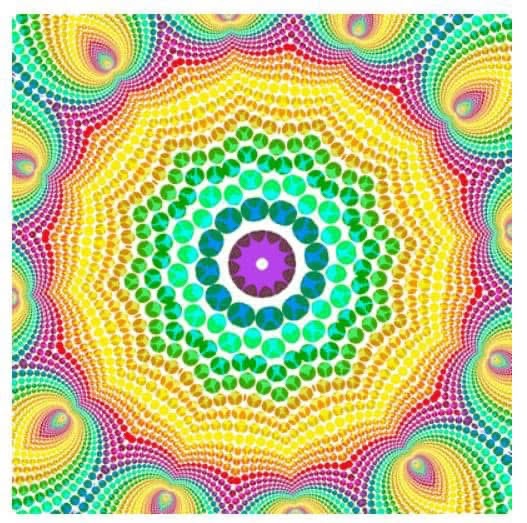
A Holistic View of Addiction—Dr. Jung’s Profound Legacy


Dr. Jung’s understanding of addiction transcends simplistic categorisations of physical dependence or moral weakness.
He presents it as a profoundly symbolic, existential, and spiritual crisis—a manifestation of the soul’s desperate longing for meaning, wholeness, and transcendence.
Dr. Jung anticipated the multidimensional approaches now embraced by modern neuroscience, psychology, and psychiatry.
He recognised addiction as being rooted in trauma and in physical, energetic, mental, emotional, and spiritual suffering.
While empirical validation of Jungian depth psychology remains challenging due to its symbolic nature, contemporary research increasingly affirms his insights into the complex interplay between psyche, spirit, and addictive behaviour.
Dr. Jung’s Core Conceptualisations
Addiction as an Existential Symptom
He situated addiction within the modern dilemma of lost spiritual frameworks, rising nihilism, and the individual’s search for authentic identity. Addiction becomes a misguided, yet symbolic, attempt to fill this existential void.
The Addict as a Wounded Seeker
The addict undergoes an unconscious, shadowy initiation—a tragic parallel to the shaman’s quest. It is a destructive journey into inner darkness, driven by an attempt to reconnect with lost psychic fragments and deeper, unmet spiritual needs.
Recovery as Spiritual Individuation
His lasting influence on Alcoholics Anonymous underscores his conviction that mere abstinence is insufficient.
True recovery requires a spiritual awakening and the process of individuation: integrating the shadow, discovering personal meaning, and connecting to a reality greater than oneself.
The Archetypal Narrative Within Addiction
Dr. Jung’s framework reveals a powerful archetypal story within the addiction narrative:
– The Tragedy
Addiction is the soul’s tragic romance with oblivion, a pursuit of false ecstasy that ultimately betrays its promise and deepens alienation.
– The Invitation
Yet, within this crisis lies a hidden, archetypal call to the hero’s journey.
It is an invitation—however painfully delivered—toward authentic healing, potential cures, spiritual communion, and existential wholeness.
The Enduring Legacy
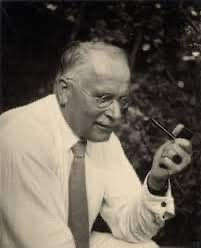
Dr. Carl Gustav Jung leaves a legacy that mandates empathy, compassion, and depth in addressing addiction.
He reminds us that addiction is not merely a pathology to be eliminated, but an existential summons to self-discovery and transformation.
By embracing his holistic vision, we can move beyond frameworks of mere abstinence or harm reduction.
We can aspire to a deeper healing and potential cure-one that addresses the root spiritual disconnection and seeks to restore meaning, wholeness, and sacred connection to the individual’s life.
DrAndrewMacLeanPagonMDPhD2026
( द्रुविद् रिषि द्रुवेद सरस्वती Druid Rishi Druveda Saraswati)
All rights reserved.
Art
Dr. Carl Jung Red Book – Mandala 105 – Liber Novus: Fine Art Print 25″x 32.8″ (63.5 x 83.3 cm)
Recommend0 recommendationsPublished in Gaia's Pharmacy with Dr. Andrew Maclean Pagon, MD PhD


Subscribe to Awake Events & Posts