Dr. Charaka’s Paradigm: From Holistic Principle to the Triad of Mind, Brain, and Consciousness
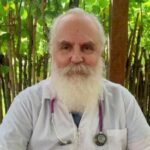
A physician who fails to enter the body of a patient with the lamp of knowledge and understanding can never treat diseases.
He should first study all the factors, including environment, which influence a patient’s disease, and then prescribe treatment.
It is more important to prevent the occurrence of disease than to seek a cure.
— Dr. Charaka चरक (~6th – 2nd century BCE)
Dr. Charaka’s aphorism is not merely a historical footnote but a precise, scientific manifesto for a truly holistic medicine.
His instruction that a physician must enter the patient’s reality with the “lamp of knowledge” is a direct call to transcend superficial symptomology.
To fully actualise his vision today, we must integrate a deeper, more nuanced model of the two-legged (human) experience, one that distinguishes between mind, brain, and consciousness—a triad often erroneously conflated in modern discourse.
This distinction is the key to unlocking the “environment” Dr. Charaka referenced, revealing it to be both external and profoundly internal.
The Foundational Triad: Brain, Mind, and Consciousness
Brain:
The physical, biological organ—a network of 86 billion neurons. It is the hardware, the tangible transducer of electrochemical signals, measurable by fMRI and EEG.
It is the instrument, not the music.
Mind:
The emergent process of the brain.
It is the dynamic software encompassing thoughts, emotions, feelings, memories, and the constant stream of sensory perception. The mind is the pattern of activity, the cognitive and affective output of the brain’s hardware.
Consciousness:
The fundamental, subjective quality of being aware—the “what it is like” to be you.
It is the light by which the mind’s content is known, the silent, observing presence deeper than thought, emotion, or feeling.
It is not generated by the brain but is filtered and shaped by it, much like a prism does not create light but refracts it into a spectrum.
Relevance to Dr. Charaka’s Holism:
When Dr. Charaka speaks of the “lamp of knowledge,” he is invoking the physician’s own trained consciousness—the capacity for pure, unbiased observation—to illuminate the patient’s unique internal environment.
A disease state can originate at any level of the triad.
A genetic anomaly (brain) predisposes one to illness.
Chronic stress-tension-mind patterns (mind) alter neurochemistry and immune function.
A profound sense of existential disconnection (consciousness) can manifest as systemic inflammation.
True diagnosis, therefore, requires mapping the pathology across this entire vertical axis. Treating the brain with pharmacology without addressing the ruminative mind or a spiritually desolate consciousness is an incomplete act, destined to manage rather than heal or potentially cure.
The Deeper Architecture of Preventive Medicine
Primary Prevention at the Level of Consciousness
The most profound preventive strategy is fostering a connection to a state of awareness that is inherently balanced, úntense and unstressed.
Practices are not mere relaxation techniques; they are tools to directly experience a field of consciousness that reorganises the mind and heals the brain, reducing the allostatic load that drives most chronic disease.
Meditative and Contemplative Tools:
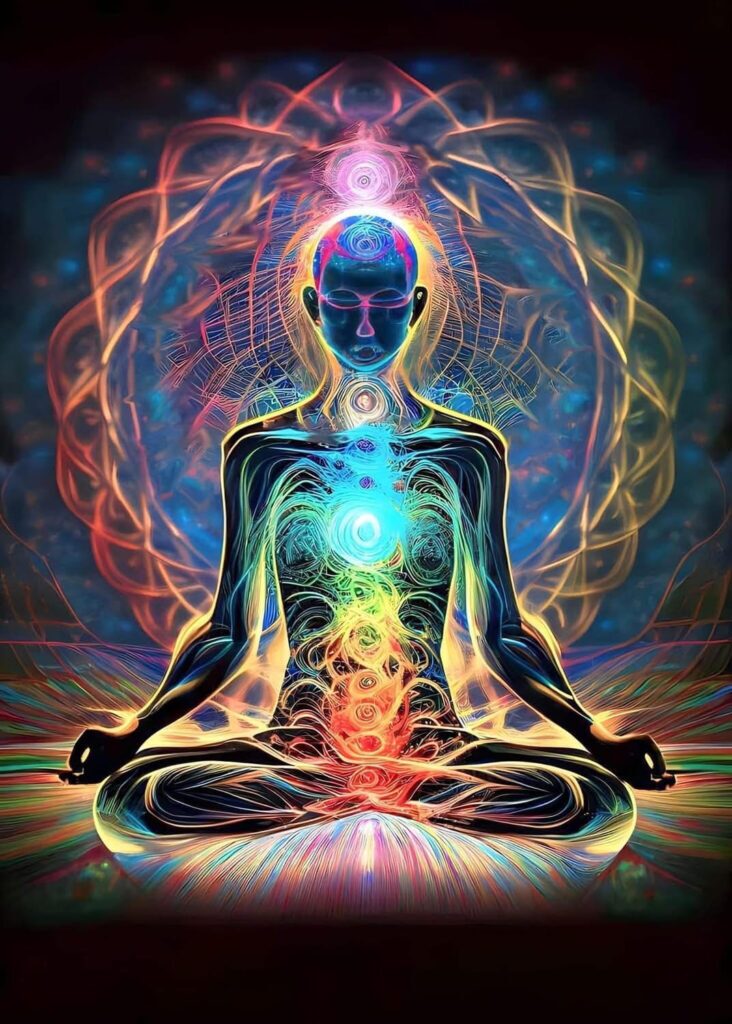
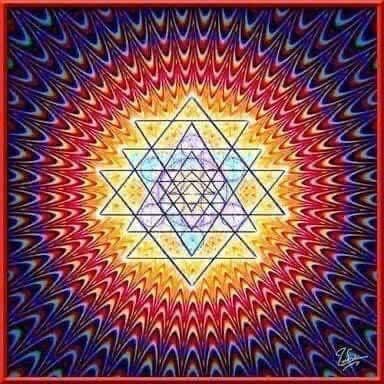
This includes meditation, mindful self-enquiry, mantra, and the geometric meditation aids of yantra and mandala, which focus consciousness and map the inner cosmos.
Breath and Subtle Energy:
Pranayama (breathing exercises) and mudra (symbolic hand gestures) directly modulate the flow of prana, or life force, bridging consciousness and the neurophysiology of the brain.
Ceremonial and Therapeutic Insight:
In specific, carefully controlled contexts, entheogenic ceremonies and entheogenic psychotherapy may serve as powerful catalysts for this reconnection, potentially resetting entrenched neural patterns and offering a direct, experiential dissolution of the egoic mind into a more unified field of awareness.
Secondary Prevention at the Level of Mind
This involves intercepting dysfunctional mental-emotional patterns before they somatise into physical illness.
The aim is to alter the mind’s software, which in turn down-regulates the brain’s threat-detection circuits and the body’s stress and tension response.
Cognitive and Emotional Processing:
Cognitive reframing, mental and emotional processing, and cultivating psychological resilience are fundamental.
Somatic and Expressive Therapies:
The body is the unconscious mind.
Somatic therapies, physical therapies, and disciplined movement practices like yoga (asana) and martial arts process and release stored tension and trauma directly from the tissues.
Creative Integration:
Art therapy and music therapy provide non-verbal avenues for the mind to express, process, and integrate complex mental and emotional states, harmonising the internal environment before dis-ease can take root.
Tertiary Prevention at the Level of Brain and Body
Once a disease has manifested, treatment must still honour the entire triad. A pharmacological intervention—whether natural, chemical, or a combination of both—or a surgical intervention targeting the brain and body, together with integrated therapies such as acupuncture, mugwort cauterisation (moxibustion), and others, must be coupled with a multi-layered support system.
Mind and Meaning:
Mental and emotional support is crucial to navigate the illness’s meaning and prevent a secondary psychological crisis.
Grounding in Consciousness:
Practices that reconnect the patient to a stable, healing and potentially curing ground of consciousness beyond their diagnosis are essential for genuine recovery.
Foundational Lifestyle Medicine:
This is the non-negotiable base, including wholesome nutrition, quality sleep, regular exercise, and a healthy sexual life, which collectively rebuild the physical hardware and its biochemical milieu, creating a terrain where pathology cannot thrive.
A Scientific, Holistic Conclusion
Dr. Charaka’s ancient wisdom finds its ultimate scientific expression not in a single modality but in a hierarchical model of being.
The brain is the physical gatekeeper, the mind is the dynamic mediator, and consciousness is the foundational context of all health and illness.
A physician armed with this understanding does not merely combat pathology; they restore coherence across the entire system. The “environment” influencing disease is thus a seamless continuum from the molecular to the metaphysical.
The future of truly patient-centred, effective medicine lies in operationalising this profound insight: that to heal and potentially cure a person, one must address not just the ailing body, but the interpreting mind and the witnessing consciousness that defines their very existence.
Prevention, then, is the daily practice of aligning this entire vertical axis, making the occurrence of disease not just less likely, but a deviation from a ground state of inherent wholeness.
©DrAndrewMacLeanPagonMDPhD2026
( द्रुविद् रिषि द्रुवेद सरस्वती Druid Rishi Druveda Saraswati)
All rights reserved.
Recommend0 recommendationsPublished in Gaia's Pharmacy with Dr. Andrew Maclean Pagon, MD PhD


Subscribe to Awake Events & Posts