On Choosing an Ibogaine Provider




I don’t usually wade into public threads about clinic recommendations, but ibogaine isn’t something that should be reduced to a shortlist and a price comparison.
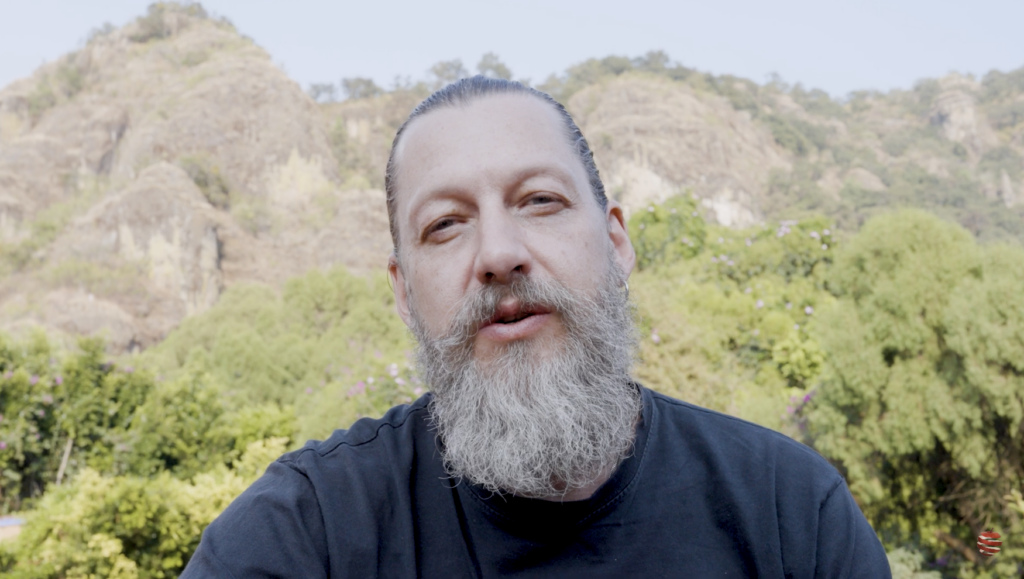
For context, my name is Anders Beatty. I’m a former addict and a veteran. I’ve spent enough years in the recovery world to understand both its strengths and its blind spots. Ibogaine was part of my own turning point many years ago. It didn’t rescue me. It didn’t fix my life. It opened something — and what followed required far more discipline and humility than the treatment itself.
I’m formally trained as an integrative counsellor and transpersonal coach. That training matters. It gives structure and language to complex psychological processes. But if I’m honest, my real education has come from clients and from a small number of elders in the ibogaine field who understand this work beyond marketing language. The ones who’ve seen enough to know that this medicine is not a spectacle, nor a miracle product, but something far more serious and far more subtle.
Over the past twelve years I’ve worked alongside 23 clinics internationally. I currently work with five.
That’s not a throwaway statistic. It reflects experience, trial, discernment, and, at times, disappointment. Most clinics are not malicious. Many are medically competent. But ethos matters. Culture matters. The way a provider thinks about human vulnerability matters.
I don’t run a clinic and I don’t sell beds. I run Ibogaine Coaching Services (ICS), which exists to help people meet this medicine reverently, responsibly, and in right relationship. That phrasing is deliberate. Ibogaine is not something to be consumed. It is something to approach carefully.
At its core, ibogaine is a threshold medicine. It interrupts patterns and creates a window of neurobiological and psychological plasticity. It can soften withdrawal, illuminate trauma, reorganise perspective. But it does not rebuild a life. What happens after the threshold is crossed determines whether the experience becomes stabilising or destabilising.
Preparation is therefore not a formality. Yes, proper cardiac screening, blood panels and medication washouts are non-negotiable. But preparation is also psychological and relational. It involves stabilising the nervous system, clarifying intention without clinging to fantasy, and ensuring support is in place for the weeks and months that follow.
The part rarely visible in brochures is what happens when this preparation is thin. I have done a significant amount of crisis management after ibogaine treatments — not because the medicine is inherently reckless, but because it was approached hurriedly, or delivered in environments where throughput was prioritised over containment. When trauma surfaces without adequate relational holding, identity can wobble. Relationships can strain. Nervous systems can struggle to regulate. That’s not failure. It’s threshold work without a hearth.
There is a meaningful distinction in this field between large providers who deliver treatment adequately and smaller providers who deliver it exceptionally. Scale isn’t automatically unethical, but it does change culture. Threshold experiences do not thrive on conveyor belts.
If I relapsed tomorrow, or if someone close to me needed treatment, there are only two or three clinics in the world I would recommend without hesitation. I would be able to sleep at night knowing they would be medically conservative, psychologically literate, and relationally present.
That’s my benchmark.
I would encourage anyone researching clinics to look beyond aesthetics and testimonials captured days after treatment. Ibogaine often produces an acute afterglow — clarity, relief, emotional openness. It’s real, but it’s not the outcome. It’s the beginning. Long-term integration is quieter and far less cinematic.
At conferences and on podcasts, I find myself returning to the same theme: how we meet the medicine shapes what follows. When it is approached with urgency or desperation, integration often becomes reactive. When it is approached with preparation, humility and support, integration tends to become proactive and sustainable.
Ultimately, people need to feel genuinely seen and respected when they undertake this work. Ibogaine opens people up. It brings grief, shame, trauma and longing to the surface. That kind of vulnerability requires containment. It requires a relational hearth.
If you are considering treatment, find a clinic that truly sees you and is prepared to support you beyond the peak of the experience. If you’d like to talk things through without pressure or agenda, feel free to message me privately.
Slow in this space is not weakness. It is usually wisdom.
— Anders Beatty
Recommend0 recommendationsPublished in Awake Daily Dose, Iboga/ibogaine, The Metaphorical Cooking Pot with Anders BeattySubscribe to Awake Events & Posts