
The Hardest Addiction to Quit

When people talk about addiction, the conversation almost always turns to substances. Alcohol, heroin, cocaine, nicotine — the things that clearly hijack the body and brain and leave people feeling trapped in cycles that can seem almost impossible to escape
It is the false self.
And it is true that these substances can be extraordinarily difficult to step away from. Anyone who has lived through addiction, or walked alongside someone who has, understands how powerful that grip can be.
But after many years working with people navigating addiction, trauma, and profound life transitions, I’ve increasingly come to see that the most persistent addiction is often not the substance itself.
– The Masks We Create to Survive
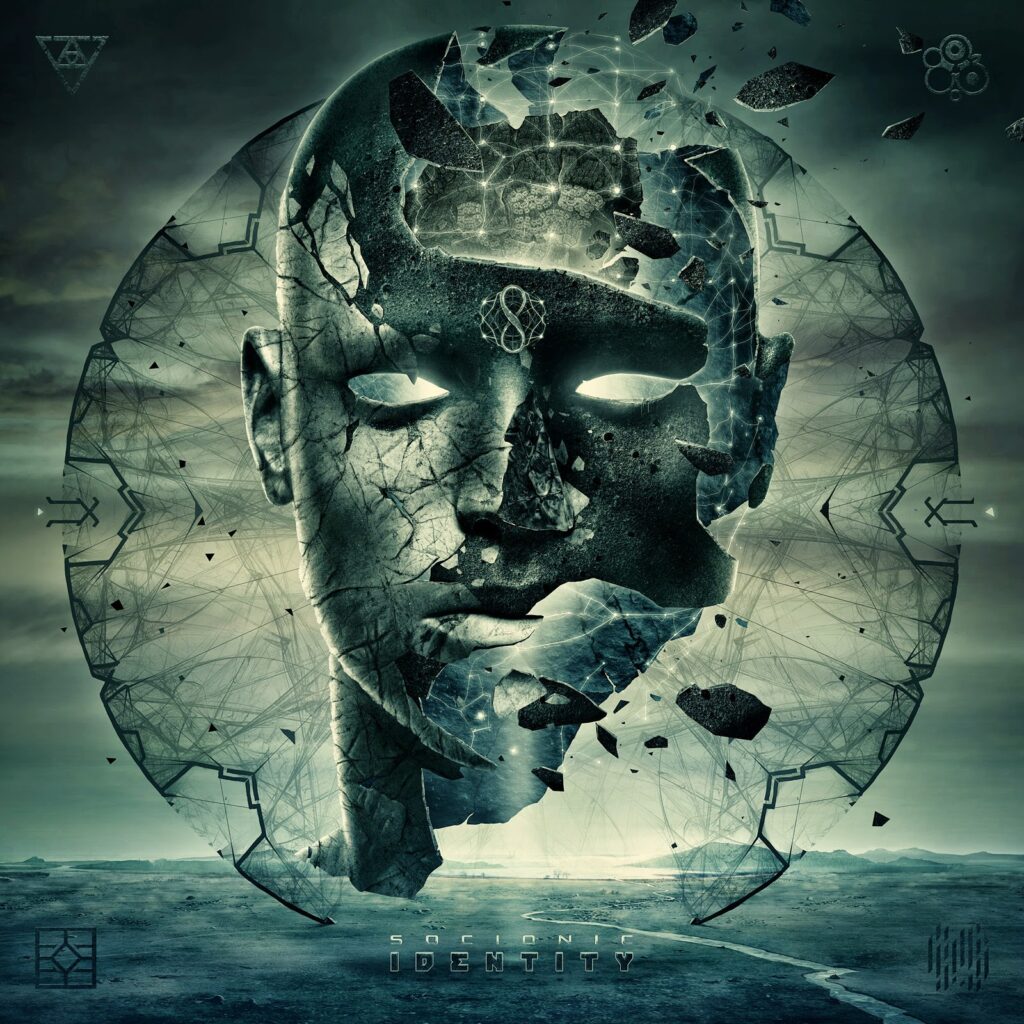
The false self is the identity we construct in order to survive the environments we grow up in. It is made up of the masks and roles we unconsciously adopt in order to navigate the world and maintain some sense of safety and belonging.
A child may become the strong one, the pleaser, the achiever, the joker, the invisible one, the caretaker, the rebel, or the tough one who never needs help.
These roles form quietly and automatically, shaped by family dynamics, cultural expectations, and the simple human need to stay connected.
The psyche is incredibly intelligent in this regard. It adapts.
But over time those roles can become so embedded that we forget they were ever adaptations in the first place. The mask becomes the face. The performance becomes the identity.
– My Own Dressing-Up Box
I can see this clearly when I reflect on my own life. By the time I was eighteen, I felt so metaphorically castrated from my authentic self that I had no real sense of who I was.
Years of being demeaned, criticised and bullied had quietly eroded any natural confidence or sense of belonging within myself.
Somewhere along the way I had learned that who I naturally was did not seem to be enough.
What I did know was how small, inadequate and unremarkable I felt inside.
So I went looking for an identity.
And like many young men searching for meaning, I looked outside of myself rather than within.
For me that search led to the French Foreign Legion. In my mind it represented something elite, manly and exceptional — everything I believed I was not.
Looking back now, it feels as though I had stepped into a giant dressing-up box, trying on an identity that might somehow transform me into the person I hoped to be.
Many of the roles we reach for in life — soldier, achiever, rescuer, rebel, healer — can sometimes be extensions of that same unconscious search.
A search for the self we feel we lost somewhere along the way.
– The Question Beneath the Uniform
Over the years I have also noticed something when working with veterans who come to ibogaine. One of the most important questions I can ask is often a very simple one:
“Why did you join up?”
At first the answers tend to be the obvious ones — adventure, service, camaraderie, purpose.
But when we sit with that question a little longer, when the conversation deepens and the armour softens slightly, the story often begins to unravel back toward a deeper truth.
Beneath the surface we sometimes discover something quieter.
A young man searching for identity.
A longing to feel strong, respected, or part of something meaningful.
A wish to outrun feelings of inadequacy, invisibility, or pain that began long before the uniform was ever worn.
Again, the role itself is not the problem.
But understanding why the uniform was first chosen can open a doorway into the deeper layers of the psyche.
– Other Costumes in the Dressing-Up Box
Of course the uniform is not always a military one. There are countless other costumes taken from the same dressing-up box of identity.
The doctor who became a doctor to please high-achieving parents.
The young girl who quietly sets aside her artistic gifts to become the expected housewife.
The rebel with a middle finger raised toward an uncompromising world.
The perfectionist endlessly striving for external validation.
The quiet accountant hiding from life behind numbers and routine.
The people pleaser carefully managing everyone else’s emotions.
The joker who keeps everyone laughing while quietly concealing his own pain.
The nihilist who romanticises his own self-destruction, convincing himself that despair is somehow profound or poetic.
And perhaps some of the newer costumes we see today:
The wounded activist who channels personal pain into moral certainty.
The endlessly outraged commentator.
The online identity carefully curated for validation.
The spiritual performer who dresses unresolved wounds in mystical language.
The blogger who experiences life through the lens of a camera, chasing meaning and validation through the next carefully curated adventure.
None of these roles are inherently wrong.
In many ways they are intelligent adaptations — creative ways the psyche learns to navigate the world.
But over time the costume can become so familiar that we forget we are wearing it at all.
And when that happens, the deeper question begins to emerge:
Who were we before we felt the need to put the costume on?
Perhaps it is no surprise that so many of us eventually turn to distractions and compulsions — drugs, alcohol, sex, endless striving, achievement and validation.
All of them attempts to fill the space between who we have become and who we once were.
– The Dressing-Up Box
The deeper work is not to shame those costumes. It is to gently set them down if they no longer serve your actualising tendency — and perhaps discover the roles that do.
The friend.
The parent.
The curious observer.
The learner.
And sometimes, when we do, we discover that the person we were searching for was quietly waiting beneath the costume all along —
waiting to embrace the world with a beautiful intensity and gratitude.
It took me until the age of forty-five, and many identities later, to finally stop looking outside of myself to discover who I was.
For most of my life I had searched for answers in uniforms, roles, identities and relationships that I hoped might somehow define me.
But eventually the search had to turn inward.
In many ways addiction itself became the taxi that brought me to that place.
And along that road I encountered ibogaine — a medicine with an extraordinary ability to illuminate the inner landscape and help people reconnect with parts of themselves buried beneath years of adaptation and survival.
The medicine does not do the work for us.
But sometimes it helps us find the doorway.
And once that doorway has been glimpsed, the real work of living more honestly with ourselves can begin.
Anders Beatty
Transpersonal Coach
WhatsApp +44 7873 331882
© Anders Beatty 2026
Recommend0 recommendationsPublished in Awake Daily Dose, The Metaphorical Cooking Pot with Anders Beatty


Subscribe to Awake Events & Posts