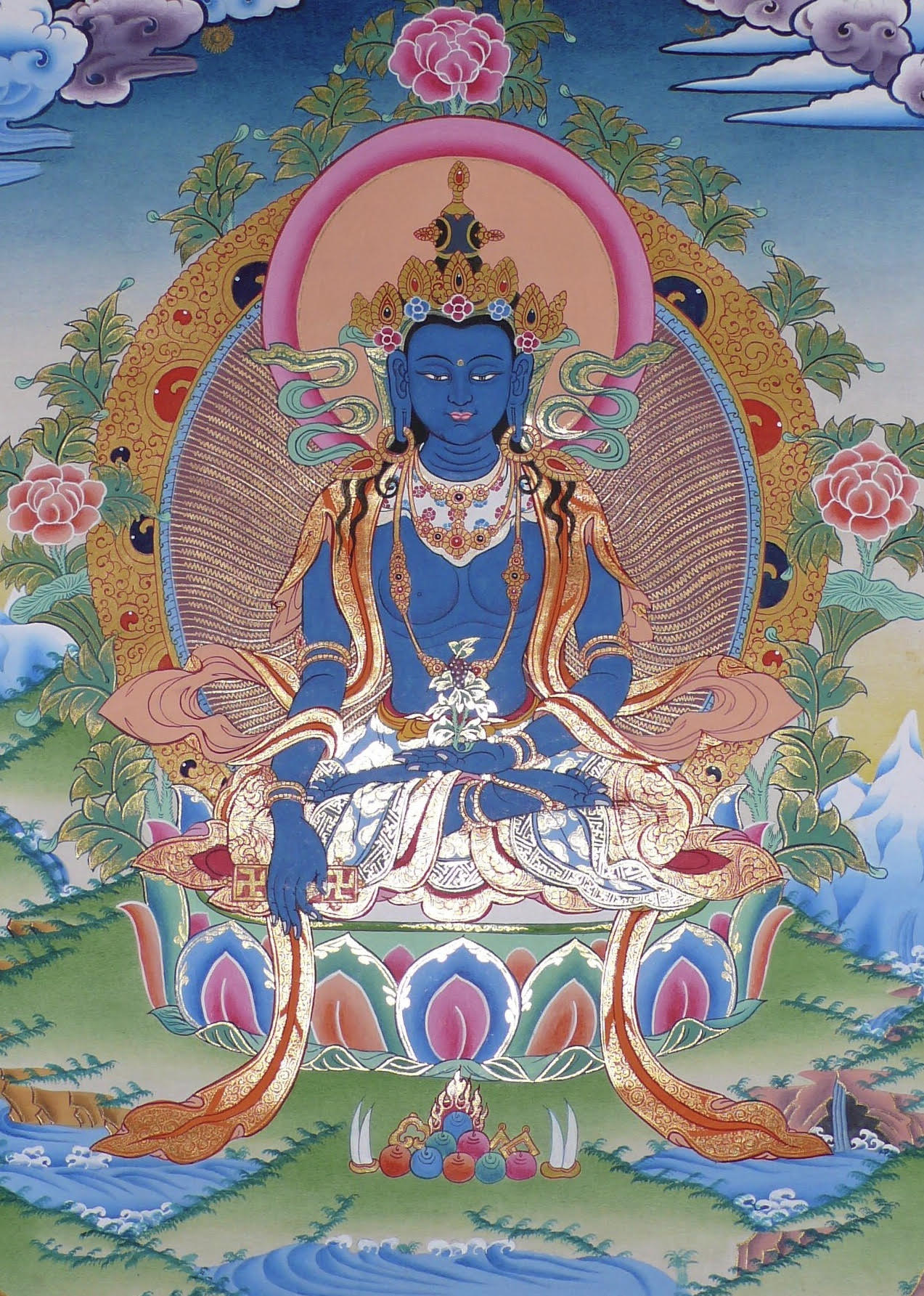
The Primordial Sage: Buddha Shenrab) སངས་རྒྱས་གཤེན་རབ་, Sangs-rgyas Gshen-rab) Fountainhead of Bön and Medicine

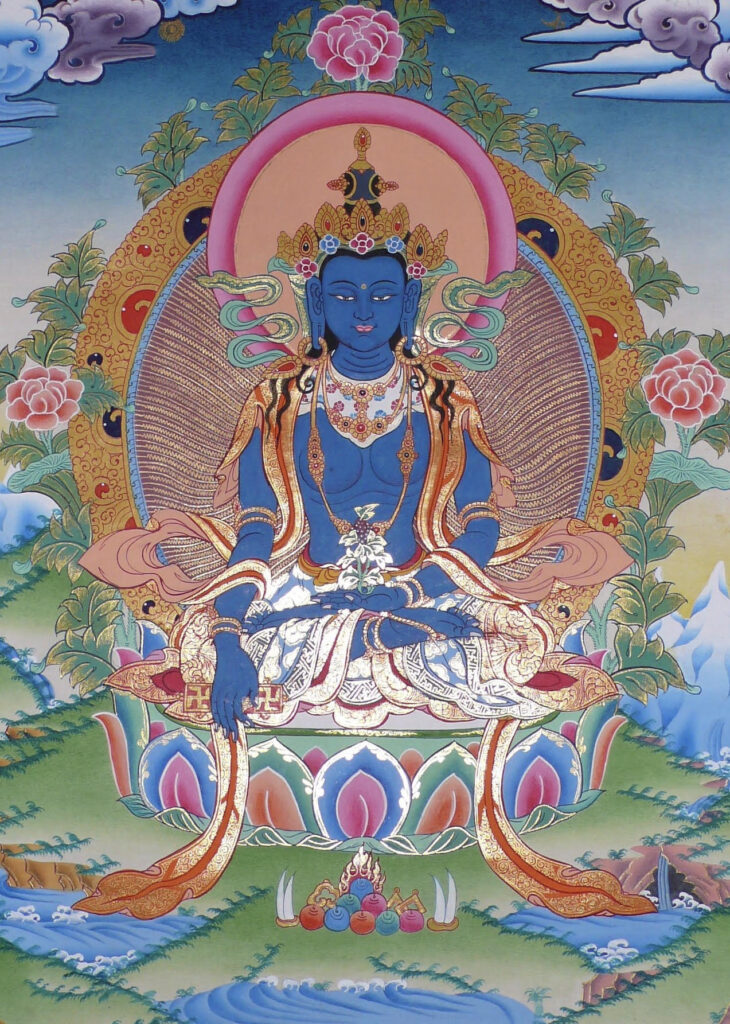
The Awakening from Zhang Zhung (ཞང་ཞུང་)
Before the snows learned grace,
Before the mountains wore time’s face,
A voice rang through Olmo’s space—
“Awake, the dawn is yours to chase.”
From Zhang Zhung’s realm to Kailash’s base,
He taught the pure heart to embrace its righteous place.
Tonpa Shenrab Miwoche སྟོན་པ་གཤེན་རབ་མི་བོ་ཆེ།
( also rendered Shenrab Miwo or Tonpa Sherab (སྟོན་པ་གཤེན་རབ་) is venerated as the founder of Yungdrung Bön, Tibet’s indigenous spiritual and philosophical tradition.
Bönpos regard him as a fully awakened Buddha—styled Buddha Shenrab-who established the path to liberation millennia prior to Siddhartha Gautama (Buddha Shakyamuni). According to principal Bönpo historical sources, including the mDo ’dus and gZi brjid, his manifestation occurred in the remote antiquity of the sacred land of Olmo Lungring, with authoritative lineages, such as those recorded in the bKa’ ’drin nyi shu bstan pa, specifying his appearance approximately 16,000 years before Buddha Shakyamuni. This chronological assertion underscores the Bönpo view of Buddha Shenrab’s teachings as the primordial wellspring of enlightened wisdom.
His life narrative, preserved in texts such as the gZer mig, follows a classic Buddha archetype: born into royalty, he renounced his worldly kingdom at the age of thirty-one, underwent ascetic practices, and performed miraculous deeds to subdue negative forces. His core teachings, systematised as the Nine Ways of Bön (bon theg pa rim dgu), focus on eradicating the causes of suffering—ignorance (ma rig pa), attachment (zhen pa), and aversion (sdang ba)—through the cultivation of innate wisdom (ye shes) and unconditional compassion (snying rje). Crucially, within the Bön tradition, Buddha Shenrab is also revered as the original Medicine Buddha (sMan bla), having first revealed the profound science of healing—both physical and spiritual—as detailed in the gSo ba rig pa’i rgyud. The ultimate aim of his comprehensive system is liberation from cyclic existence (’khor ba) and the realisation of Buddhahood.
The geographical and cultural transmission of his doctrine is described as emanating from Olmo Lungring (‘Ol-mo lung-ring)—often symbolised as a timeless, enlightened realm—to the ancient kingdom of Zhang Zhung (Zhang zhung) in western Tibet. Canonical histories like the g.Yung drung bon gyi bstan ’byung detail this diffusion, emphasising the completeness of Buddha Shenrab’s system, which encompassed philosophy, ethics, meditation, ritual, and cosmology. From Zhang Zhung, the teachings permeated the Tibetan plateau thousands of years before the arrival of Indian Buddhism in the 7th century CE, as chronicled in texts such as the Zhang zhung snyan rgyud.
The relationship between Bön and Tibetan Buddhism is one of both distinction and syncretism. While both traditions share the soteriological goal of liberation, Bönpos maintain that Buddha Shenrab’s teachings represent the original, unadulterated truth (ye bon). Over centuries, the two traditions influenced one another, leading to parallels in monastic discipline and philosophical terminology. Notably, certain Bönpo communities advocate strict vegetarianism (sha med), reflecting an emphasis on non-harm (’tsho ba mi ’tshe ba) rooted in the ethical codes of the gYung drung bon gyi sde snod. Scholars such as Samten Karmay, in The Treasury of Good Sayings: A Tibetan History of Bon, acknowledge that while later Bön scriptures incorporated Buddhist stylistic elements, the core Buddha Shenrab narrative and many practices retain a distinct, pre-Buddhist character.
In conclusion, Tonpa Shenrab Miwoche stands as the supreme patriarch of Bön—a Buddha whose manifestation, according to traditional chronology, preceded Buddha Shakyamuni by many millennia. His life and doctrines, meticulously preserved in texts like the Khams chen and sustained through unbroken oral lineages (snyan brgyud), provide a comprehensive path to awakening that is both ancient and enduring. The assertion of his appearance 16,000 years prior to the historical Buddha, alongside his foundational role as the fount of healing wisdom, not only affirms the antiquity of Bön but also establishes Buddha Shenrab as a timeless source of enlightened activity, whose legacy profoundly shaped the spiritual landscape of Tibet.
The Eternal Wheel
After the teachings took their flight,
Through day’s last glow and deepest night,
The eternal wheel turns, gold and bright—
A lineage of primordial light.
From Buddha Shenrab’s word to snows so white,
The path endures, beyond all sight.
©DrAndrewMacLeanPagonMDPhD2026
( द्रुविद् रिषि द्रुवेद सरस्वती Druid Rishi Druveda Saraswati)
All rights reserved.



Subscribe to Awake Events & Posts